by Kathleen Lynch | Apr 21, 2026 | Entrepreneur, Entrepreneurship, Innovation, Intellectual Property, International, Invention, Inventor, IP, Logo, Patent, Protection, Service Mark, Trade Dress, Trade Name, Trade Secrets, Trademark, Uncategorized
Sunday, April 26th is World Intellectual Property Day. Established in 2000 by the World Intellectual Property Organization. (WIPO), this day serves a vital purpose: to pull back the curtain on the world of intellectual property (IP) and show how it shapes our daily lives.
This Year’s Theme: The Spirit of Sport
This year, we are shining a spotlight on the intersection of innovation and athletics. From cutting-edge equipment and game-changing technologies to the iconic brands that define our favorite teams, IP is the engine driving the sports industry forward.
We celebrate:
- The Creators & Inventors: Whose devotion leads to safer, faster, and more effective sports gear.
- The Storytellers: Whose copyrighted broadcasts preserve historic moments for generations.
- The Brands: The trademarks, logos, and colors that unite fans across the globe.
More Than Just a Game
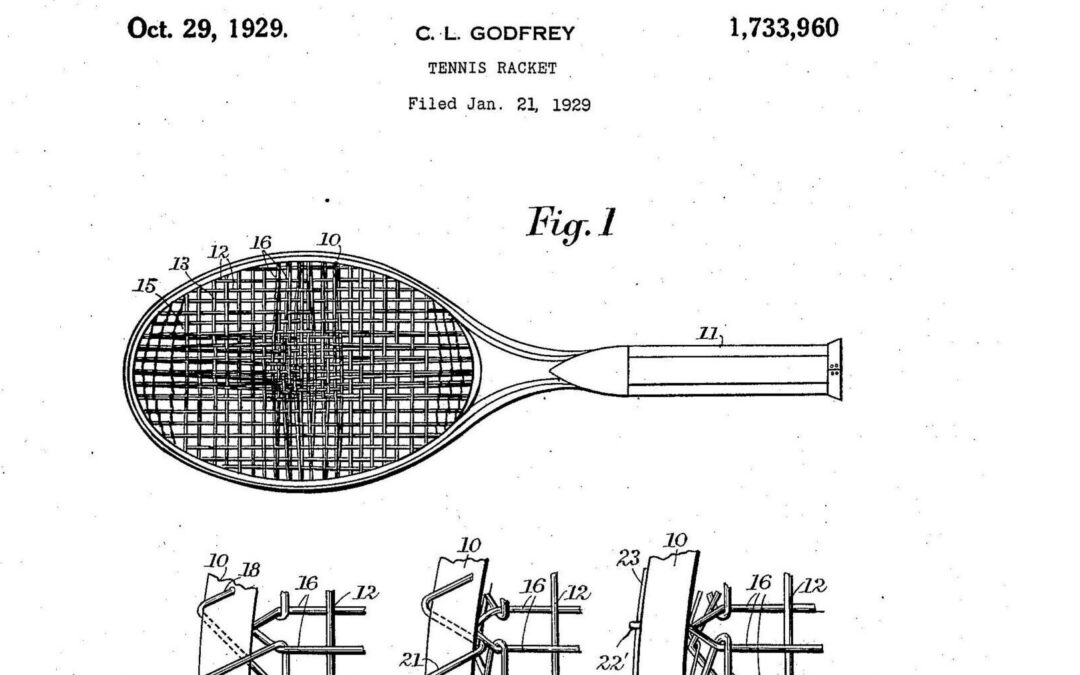
The next time you lace up your running shoes or pick up a tennis racquet, take a moment to consider the genius behind them. Whether it’s a patent for a new material, a design for aerodynamics, or a trade secret that gives a brand its edge, IP doesn’t just protect ideas—it enhances the way we play and live.
Is Your Innovation Protected?
Protecting your developments is critical to staying competitive. In a fast-moving market, having the right legal partner to navigate these decisions is the ultimate “home-field advantage.”
The Law Office of Kathleen Lynch PLLC is dedicated to helping businesses like yours keep ahead of the game.
Ready to protect your vision? Your first consultation is free. 📧 Email us today: kl****@*****aw.com
by Kathleen Lynch | Oct 21, 2014 | Trademarks
This is the third in a series of posts focused on some of the basic tenets of intellectual property law. Articles one and two focused on some fundamental principles of patent law.
A trademark is a source indicator of goods or services. As such, you want your mark to stand out and be remembered. There are types or categories of marks that provide a greater level of protection than others. The types in order of strength (most to least) are: arbitrary, fanciful, suggestive, descriptive and generic.
Marks with the greatest scope of protection are arbitrary ones. These are marks that consist of made-up words created specifically for use as a trademark. These include Kodak and Exxon. These marks have wide protection because all association with the mark is in connection with the owner’s product and/or service. Fanciful marks are actual words that are used in connection with a completely unassociated product or service. A good example of a fanciful mark is “Apple” for computers. Suggestive marks are words that have been selected because they are suggestive of a particular attribute or feature of the product or service. Suggestive marks would include “Jaguar” automobile, or “Greyhound” bus service. Arbitrary, fanciful and suggestive marks are essentially acceptable for use as a trademark or service mark barring any third party uses.
Descriptive marks are more difficult to protect because they describe the product or service. The US Trademark Office will reject an application for a trademark that is “merely descriptive” of its goods or services. If your mark merely or only describes the goods or services, you may have a difficult time obtaining trademark registration for it. However, a mark is entitled to trademark registration as a descriptive mark if it is not merely or solely describing the goods or services. This requires proof of distinctiveness or “secondary meaning”. Distinctiveness is obtained when consumers associate the mark with the goods or services. “Best Buy” for retail stores selling electronics and appliances is an example of a descriptive mark. Finally, generic marks are marks that become what we use as a noun for a product or service. Examples of trademarks that have become generic include escalator and linoleum. Generic marks have no protection because they no longer are a source indicator. Trademark owners need to walk a fine line between obtaining the status of a well-known mark and having that mark become the generic term for the good or service sold.
If you are selecting a new mark, arbitrary, fanciful or suggestive marks are preferred (in decreasing order of preference) for providing a greater scope of protection. The type of mark does not mitigate the need to determine whether the mark is available for use based on all third party uses of the same or similar marks.

by Kathleen Lynch | Aug 4, 2014 | Entrepreneurship, Start Up Considerations, Trademark Service Mark
Many of my clients come in thinking that as long as they have a corporate name, they are free to use that name for advertising and marketing purposes. Sadly, they are mistaken.
The corporate name granted by the Secretary of State’s office is only given for use as a business name. The criteria for granting the name is based on whether the exact name is already in use. That name is for use as a business name, for tax and regulation purposes, and not a clearance for marketing and advertising use.
In order to use a name or logo for marketing and advertising, any company should conduct a full search and assessment as to the availability and use of their name and/or logo. A search involves looking at all uses of a name and/or logo. The search results are assessed to determined whether that name or logo would be available for use. In other words, the results are reviewed to determine if there are any other uses of the same or similar names or logos that may result in trademark infringement or an allegation of infringement.
Any business that intends to spend money on advertising or marketing of its goods or services should conduct a search and assessment as to the availability of a mark or logo. In addition, if a business intends to expand beyond its state boundaries, it should consider federal registration of its mark.
Making sure your trademark or service mark is available for use is considered a best business practice designed to leverage what you consider a valuable critical asset. Having the right person to help you make that decision is critical. The Law Office of Kathleen Lynch is designed to help businesses such as yours keep ahead of the game. The first telephone consultation is free. Email us at kl****@*****aw.com.